Lower Total
Cost
Reduce the total cost of food waste management by combining waste reduction, smarter handling, and optimized diversion.
Years of development and engineering connect BioGreen360’s technologies in one turnkey platform. At its core are processors designed to create an engineered residual for multiple beneficial-reuse pathways. Measurement, storage, and analytics complete a system configured around your operation and the value of what comes next.
BioGreen360 processors have been specifically engineered to transform food waste into a reusable organic substrate. Mechanical processing and integrated biocatalysis work together with the next use of that material in mind. Designed to operate at customer sites or regional hubs, they bring processing closer to where food waste is generated and connect it to productive downstream uses. The BG3 and BG7 offer different processing capacities so the equipment can be configured around each operation’s volume, space, and daily workflow.
Waterless operation means no clean water input and no wastewater output. Intuitive, multilingual controls support day-to-day use, while cloud monitoring and reporting connect processing activity to the broader Food Cycling Platform. With training, ongoing service, and coordinated beneficial reuse, the technology forms part of a complete program for managing food waste as a resource.
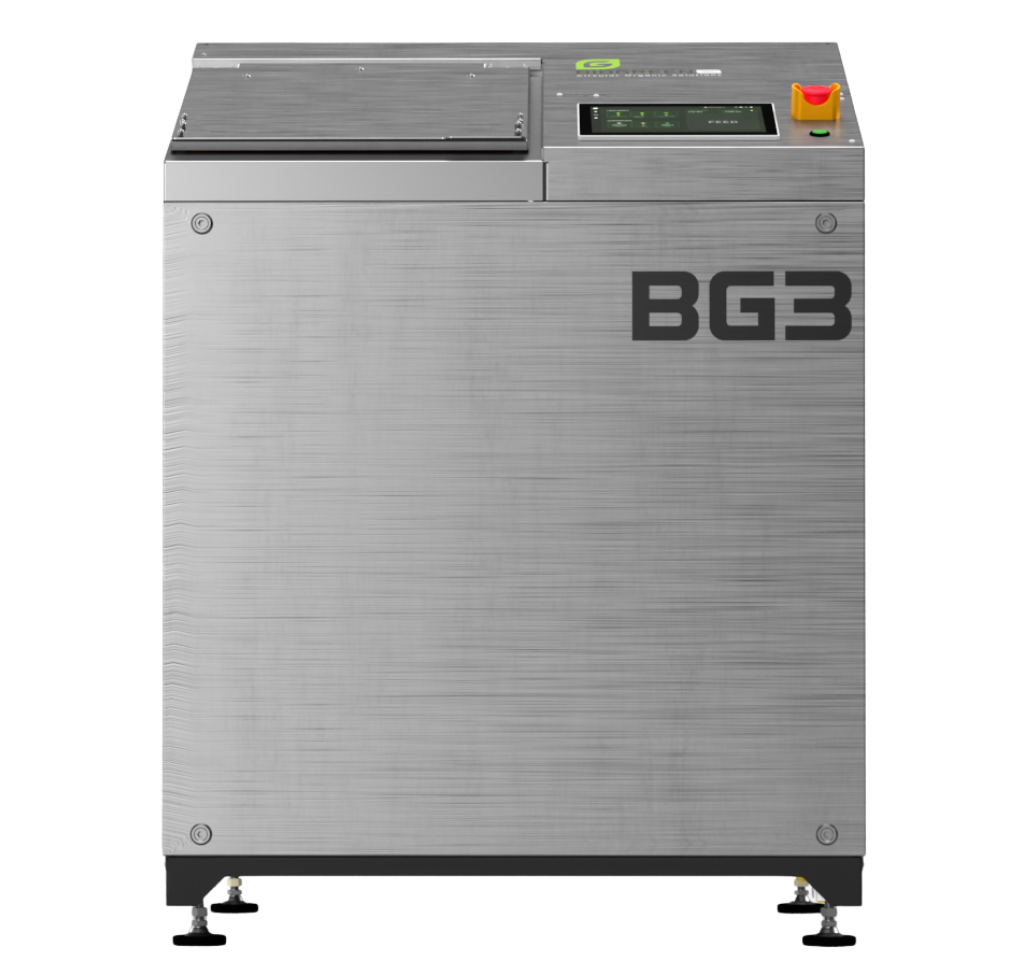
Bring food cycling directly into your kitchen or back-of-house operation. The BG3 combines mechanical processing with integrated biocatalysis to transform food waste into a reusable substrate, with processing capacity of up to 600 pounds per day, per machine. Its compact format brings dependable processing and a useful recovered material into the everyday kitchen workflow.
Designed for a straightforward daily workflow, the BG3 pairs intuitive, multilingual operation with cloud monitoring and reporting. It uses no clean water and produces no wastewater. BioGreen360 supports site configuration, staff training, ongoing service, and coordination of downstream beneficial reuse.
Process
Mechanical processing + integrated biocatalysis
Water
No clean water input or wastewater output
Interface
Intuitive, multilingual operation
Data
Cloud monitoring and reporting
Kitchen integration
Designed for seamless integration without infrastructure changes
Waste prevention
Real-time insights identify kitchen inefficiencies and support smarter preparation and purchasing
Sustainability reporting
Customer sustainability reporting and certified carbon reduction data support events and group offerings
Circular recovery
Landfill diversion and beneficial reuse turn food waste into a reusable resource
Service & Support
24/7/365 customer support, preventative maintenance, and ongoing service
Footprint
36″ × 30″ × 49″
Processing capacity
Up to 600 lb per day, per machine
Electrical requirements
208–240 V / 30 A
Internet connection
Required: wired Ethernet connection using Cat 5e or Cat 6 cable
Touchscreen
11″ display
The BG7 brings greater processing capacity to larger foodservice operations and regional hub programs. It uses BioGreen360’s mechanical and biocatalysis approach to turn food waste into substrate that can feed multiple downstream product pathways. Built for larger material flows, it connects high-volume processing with flexible downstream recovery opportunities.
With processing capacity of up to 4,400 pounds per day per machine, the BG7 supports sites handling larger streams of food waste. Waterless operation, cloud monitoring, and multilingual controls connect high-volume processing with the same measurement and service approach used across the Food Cycling Platform.
Deployment
Onsite facilities or regional processing hubs
Process
Mechanical processing + integrated biocatalysis
Water
No clean water input or wastewater output
Data
Cloud monitoring and reporting
Scalable deployment
Multiple units can form centralized processing hubs for communities, districts, and enterprises
Efficient operation
Energy-efficient design with low maintenance and minimal operational overhead
Reliability
Industrial-grade construction and robust automation support continuous, dependable performance
Circular recovery
Transforms food waste into a nutrient-rich, reusable product with landfill diversion and beneficial reuse
Impact reporting
Real-time data supports ESG goals, regulatory compliance, and customer transparency
Service & Support
24/7/365 customer support, preventative maintenance, and ongoing service
Footprint
77″ × 56″ × 74″
Processing capacity
Up to 4,400 lb per day, per machine
Electrical requirements
208–240 V, 3-phase / 60 A
Internet connection
Required: wired Ethernet connection using Cat 5e or Cat 6 cable
Touchscreen
11″ display
BioGreen360 Smart Scales connect point-of-generation measurement to a platform engineered around the full food-waste cycle, helping teams understand what is being discarded and where it comes from. Tabletop, toter, and Gaylord configurations support different handling routines, from individual kitchen stations to shared collection points and larger consolidated loads. The measurement workflow and level of detail can be tailored to the needs of each location.
Connected to FoodCycling IQ, scale data becomes a foundation for reviewing waste patterns, comparing cost centers, and identifying opportunities to improve purchasing, preparation, and menu decisions. Weight and photo capture can support the configured program, giving operators useful visibility without requiring them to install a processor or replace their existing waste-management arrangements.
The BioGreen360 Tabletop Scale combines a compact, space-efficient design with the durability and capability to manage high volumes of food waste. Built for the dynamic demands of restaurants, hotels, event centers, commercial kitchens, and other food service environments, it provides a flexible, convenient solution for capturing food waste data without disrupting daily operations.
Designed to accommodate varying workflows, fluctuating volumes, and multiple collection points, the Tabletop Scale makes food waste measurement simple and efficient across diverse operating environments. Integrated with FoodCycling IQ, it transforms food waste data into actionable intelligence to identify waste patterns, optimize purchasing and production, reduce food and labor costs, and improve operational performance. Its versatile design supports businesses of all sizes without requiring onsite food waste processing equipment.
Format
Tabletop measurement station
Typical workflow
Smaller quantities and station-level measurement
Platform
Connects with FoodCycling IQ
Operation
Intuitive, multilingual workflow
Connectivity
Required wired Ethernet connection
Backup power
Onboard battery pack
Cleaning
Wipe clean only. No direct water contact; do not hose down.
Automatic capture
Captures food-waste weight and images automatically
AI identification
Photo-based identification categorizes waste to inform menu planning, preparation, and purchasing
Real-time visibility
Uploads data to the cloud to track waste across kitchens, prep stations, and events
Actionable reporting
Provides kitchens, procurement, and leadership with insights to reduce overproduction and manage food-waste costs
Sustainability data
Auditable waste and carbon tracking supports landfill diversion and ESG reporting
Guest engagement
Supports zero-waste events and sustainability storytelling
Simple setup
Plug-and-play integration into daily operations with minimal staff training
Service & Support
24/7/365 customer support, preventative maintenance, and ongoing service
Dimensions (L × D × H)
23″ × 15″ × 27.12″
Weighing capacity
50 lb
Electrical requirements
120 V / 15 A, standard 3-prong outlet
Outlet proximity
Within 6 ft of scale
Backup battery
10,000 mAh (36 Wh) onboard battery pack
Dry weight
30 lb
Internet connection
Required: wired Ethernet connection using Cat 5e or Cat 6 cable
Touchscreen
11″ display
The BioGreen360 Toter Scale is designed to integrate seamlessly with commercial organics toters ranging from 34 to 65 gallons, providing a convenient, efficient solution for measuring food waste across dynamic operations. Built to accommodate both front-of-house and back-of-house workflows, it enables teams to capture food waste data at centralized collection points, from food preparation and production to plate scraping and event cleanup.
Designed for the demanding environments of hotels, restaurants, event centers, grocery stores, and other food-generating businesses, the Toter Scale simplifies food waste measurement while supporting existing collection and handling practices. Integrated with FoodCycling IQ, it transforms food waste data into actionable intelligence to identify waste patterns, track performance across departments and outlets, reduce food and labor costs, and support measurable operational and sustainability improvements.
Format
Floor-based toter measurement station
Typical workflow
Wheeled-container collection points
Platform
Connects with FoodCycling IQ
Operation
Intuitive, multilingual workflow
Automatic capture
Captures food-waste weight and images automatically
AI identification
Photo-based identification categorizes waste to inform menu planning, preparation, and purchasing
Real-time visibility
Uploads data to the cloud to track waste across kitchens, prep stations, and events
Actionable reporting
Provides kitchens, procurement, and leadership with insights to reduce overproduction and manage food-waste costs
Sustainability data
Auditable waste and carbon tracking supports landfill diversion and ESG reporting
Guest engagement
Supports zero-waste events and sustainability storytelling
Simple setup
Plug-and-play integration into daily operations with minimal staff training
Service & Support
24/7/365 customer support, preventative maintenance, and ongoing service
Dimensions (L × W × H)
30″ × 30″ platform; arm 48″ above floor, excluding tablet projection
Container compatibility
34–65-gallon commercial organics toters
Weighing capacity
500 lb
Electrical requirements
120 V / 15 A, standard 3-prong outlet
Outlet proximity
Within 6 ft of scale
Backup battery
10,000 mAh (36 Wh)
Dry weight
80–150 lb, excluding toter
Internet connection
Required: wired Ethernet connection using Cat 5e or Cat 6 cable
Touchscreen
11″ display
The BioGreen360 Gaylord Scale is designed for high-volume food waste measurement in distribution centers, commissaries, and large-scale food production facilities. Built to accommodate bulk material handling and consolidated waste streams, it provides an efficient, reliable solution for capturing food waste data in demanding supply-chain environments.
When combined with BioGreen360's Tabletop and Toter Scales, the Gaylord Scale creates comprehensive visibility across the enterprise food supply chain, from distribution and production to individual operating locations. Integrated with FoodCycling IQ, this connected intelligence helps organizations identify inefficiencies, optimize inventory and production, reduce food and labor costs, and uncover opportunities for measurable financial improvement across their operations.
Format
Bulk-load / Gaylord measurement configuration
Typical workflow
Larger consolidated loads and material-handling areas
Platform
Connects with FoodCycling IQ
Operation
Intuitive, multilingual workflow
Automatic capture
Captures food-waste weight and images automatically
AI identification
Photo-based identification categorizes waste to inform menu planning, preparation, and purchasing
Real-time visibility
Uploads data to the cloud to track waste across kitchens, prep stations, and events
Actionable reporting
Provides kitchens, procurement, and leadership with insights to reduce overproduction and manage food-waste costs
Sustainability data
Auditable waste and carbon tracking supports landfill diversion and ESG reporting
Guest engagement
Supports zero-waste events and sustainability storytelling
Simple setup
Plug-and-play integration into daily operations with minimal staff training
Service & Support
24/7/365 customer support, preventative maintenance, and ongoing service
Dimensions (L × W × H)
48″ × 48″ × 4″; ramp and pallet-jack clearance additional
Load compatibility
Standard 48″ × 40″ pallet and Gaylord container sized to the deck
Weighing capacity
5,000 lb
Electrical requirements
Scale electronics: 120 V / 15 A, standard 3-prong outlet; separate pallet-jack charger
Outlet proximity
Within 6 ft of scale electronics
Backup battery
Electronics: 10,000 mAh (36 Wh); separate pallet-jack traction battery
Dry weight
200–350 lb; excludes pallet jack
Material handling
Electric pallet jack: 71″ L × 27.5″ W; maneuvering space additional
Internet connection
Required: wired Ethernet connection using Cat 5e or Cat 6 cable
Touchscreen
11″ display
BioGreen360 Smart Storage connects our engineered processing with the next productive use of the resulting substrate. It is part of the integrated recovery system developed alongside our processors. Multiple storage sizes allow the setup to reflect each site’s material volumes, available space, and collection requirements. Rather than treating storage as a standalone container, the platform integrates it with tracking and coordinated logistics across the recovery process.
By holding processed material within an organized collection program, Smart Storage can help reduce pickup frequency, loading-dock activity, and handling demands. Container tracking supports visibility through final beneficial reuse, while BioGreen360 coordinates logistics with the needs of the operation. Storage capacity, placement, transfer arrangements, and collection schedules are confirmed as part of the site configuration.
The 1 ton Smart Storage configuration connects processing with the next stage of recovery. Intended for sites needing a smaller storage configuration, it holds processed substrate as part of a coordinated storage, collection, and beneficial-reuse program. Storage preserves the connection between our engineered residual and its next use, supporting the multiple product pathways at the heart of the platform.
BioGreen360 plans storage around material volumes, available space, and collection access. Container tracking supports visibility through final beneficial reuse, while coordinated logistics can reduce pickup frequency and loading-dock activity. The collection schedule and transport arrangement are tailored to the site.
Material
Processed organic substrate
Tracking
Container tracking through final beneficial reuse
Logistics
BioGreen360-managed collection coordination
Placement
Configured for site space and collection access
Service & Support
24/7/365 customer support, preventative maintenance, and ongoing service
Dimensions (L × W × H)
48.1″ × 40.1″ × 45.9″
Volume capacity
300 gal
Maximum weight capacity
2,000 lb (1 ton)
Dry weight
128.5 lb
Collapsed height
13.8″
Hook-Up
BioGreen supplied Smart Umbilical Connection
The 2 ton Smart Storage configuration connects processing with the next stage of recovery. Intended for operations needing more storage between collections, it holds processed substrate as part of a coordinated storage, collection, and beneficial-reuse program. Storage preserves the connection between our engineered residual and its next use, supporting the multiple product pathways at the heart of the platform.
BioGreen360 plans storage around material volumes, available space, and collection access. Container tracking supports visibility through final beneficial reuse, while coordinated logistics can reduce pickup frequency and loading-dock activity. The collection schedule and transport arrangement are tailored to the site.
Material
Processed organic substrate
Tracking
Container tracking through final beneficial reuse
Logistics
BioGreen360-managed collection coordination
Placement
Configured for site space and collection access
Service & Support
24/7/365 customer support, preventative maintenance, and ongoing service
Dimensions (W × D × H)
72″ × 36″ × 36″; retrofit projections and lid clearance additional
Volume capacity
2 cubic yards (404 US gal), before retrofit displacement
Storage capacity
2 tons / 4,000 lb
Hook-Up
BioGreen supplied Smart Umbilical Connection
Dry weight
400–700 lb before retrofit
The 7 ton Smart Storage configuration connects processing with the next stage of recovery. Intended for higher-volume operations and regional logistics programs, it holds processed substrate as part of a coordinated storage, collection, and beneficial-reuse program. Storage preserves the connection between our engineered residual and its next use, supporting the multiple product pathways at the heart of the platform.
BioGreen360 plans storage around material volumes, available space, and collection access. Container tracking supports visibility through final beneficial reuse, while coordinated logistics can reduce pickup frequency and loading-dock activity. The collection schedule and transport arrangement are tailored to the site.
Material
Processed organic substrate
Tracking
Container tracking through final beneficial reuse
Logistics
BioGreen360-managed collection coordination
Placement
Configured for site space and collection access
Service & Support
24/7/365 customer support, preventative maintenance, and ongoing service
Dimensions (L × W × H)
160″ × 62″ × 70″; skid, piping, and access structure additional
Storage capacity
7 US tons / 14,000 lb
Volume basis
1,680 US gal at 8.34 lb/gal; usable volume depends on material density and headspace
Hook-Up
BioGreen supplied Smart Umbilical Connection
BioGreen360 Data + AI connects measured food waste with the context needed to improve operations. It connects what happens in daily operations with the information teams need to make better decisions. It brings together weight and image data from connected equipment, customer-supplied operational information, and BioGreen360 reference data. By analyzing these inputs together, the platform helps reveal what is being discarded, where patterns emerge, and which operational decisions deserve a closer look.
Smart Scales capture information; Data + AI interprets it. FoodCycling IQ is the customer-facing solution that puts those capabilities to work in a foodservice operation. The underlying analytics can also support the broader Food Cycling Platform, linking measurement, processing activity, and reporting. Premium agentic AI adds optical identification and deeper analysis to help teams evaluate operational and menu changes, with results reviewed against actual performance over time.
BioGreen360 brings equipment measurements, captured images, customer-supplied information, and its own reference data into a connected analytical foundation. The level of detail is tailored to each operation, helping teams understand waste patterns in the context of their stations, cost centers, and daily workflows.
Premium agentic AI adds optical identification and deeper analysis to that foundation, surfacing opportunities to refine purchasing, preparation, production, and menus. Teams evaluate these recommendations against their operational priorities, then use actual performance over time to understand what works and where to adjust.
Cloud reporting makes those insights available across operations, finance, and sustainability teams. Smart Scales capture the information; Data + AI connects and interprets it; FoodCycling IQ brings these capabilities together as a customer solution. This shared intelligence connects operating performance with recovery outcomes across the broader Food Cycling Platform.
Soil and plant growth are one possible next chapter. Our engineered residual creates opportunities across multiple beneficial-reuse pathways. Scroll to explore our residuals story and bring it to life.
BioGreen360’s processing is engineered with the next use in mind, turning food scraps into a reusable organic material.
BioGreen360’s engineered residual is designed for what comes next, giving recovered food waste a useful next life. Designed to support multiple product pathways, from soil and fertilizer applications to energy and feedstock uses; it opens up possibilities beyond disposal. The right pathway depends on the material and downstream processing requirements. Scroll down to explore the possibilities.
Ingredients for animal nutrition. BioGreen360’s substrate can be evaluated for suitable feed applications, subject to processing and feed-safety requirements.
Organic material used to nourish farmed insects. The substrate offers a potential input for insect-rearing programs and further beneficial uses.
Plant nutrients formed into solid pellets. The substrate can support development of pelletized fertilizer products with appropriate formulation and processing.
Plant nutrients applied in liquid form. The substrate can be evaluated for liquid fertilizer applications with suitable processing and formulation.
Organic material used to improve soil. The substrate can enter composting programs that return recovered resources to productive use.
Organic material used to produce biogas through anaerobic digestion. The substrate can be evaluated as feedstock for facilities that upgrade biogas into renewable natural gas.
Explore how BioGreen360’s processing expertise can help turn your organization’s food waste into products or closed-loop programs for your business, your customers, or your community.
Choose onsite processing, managed offsite recovery, FoodCycling IQ, or a combination across locations. Each approach connects to a platform built around purposeful processing, useful intelligence, and productive recovery. Your configuration connects the capabilities you need to your workflow and business priorities.
FoodCycling IQ
FoodCycling IQ brings the intelligence of BioGreen360’s engineered platform into your daily decisions. Capture food-waste measurements and use connected analysis to understand purchasing, preparation, and service patterns. It can work with your current recovery arrangements, while providing a starting point for a broader platform that connects waste prevention, processing, and beneficial reuse.
Measure actual food waste at its source
Compare patterns across stations and locations
Identify opportunities to reduce food costs
Connect waste information with operating data
Add premium AI-assisted recommendations
Keep your existing recovery or hauling setup
Smart scales and, where installed, onsite digesters capture the base measurements. The level of detail is configured around your operation and the questions you want to answer. BioGreen360 combines those records with relevant customer information and its own database to help teams understand waste patterns over time.
A useful starting point is to establish a baseline, identify the largest recurring sources of waste, and track whether operational changes improve results. The goal is information your kitchen and management teams can act on; not simply another weight report. The intelligence draws on a platform developed around both operating performance and the value of recovered material.
FoodCycling IQ suits foodservice teams that want better cost visibility while retaining their existing disposal or recovery arrangements. Hotels, restaurants, campuses, and other commercial kitchens can use it to understand what is leaving the kitchen and where prevention could make a difference.
For enterprise operators, a connected view across locations can support comparisons and shared learning. For an individual property, the same approach can focus on its own menus, service patterns, and operational priorities. This creates a practical entry point to BioGreen360’s broader capabilities without requiring processing equipment at every site.
Core analytics start with measured data. Premium Agentic AI services can add optical identification and further analysis to generate operational and menu recommendations aimed at improving food and beverage profitability. Some AI weight and value inputs are estimates; the underlying captured measurements are actual data.
Period-over-period financial results help evaluate changes and refine recommendations as more information becomes available. The scope of reporting and AI services is agreed as part of your configuration, so you can begin with the visibility you need and build from there. Analysis supports better decisions; physical recovery pathways remain part of the selected processing and service configuration.
On-Site
On-Site brings purpose-built processing directly into your operation. Our processors are designed around both the operating workflow and the resulting residual, creating a reusable substrate for multiple product pathways. Measurement, training, service, and coordinated recovery connect that technology into a turnkey program for your operation.
Process food waste close to its source
Reduce bulk and back-of-house handling burdens
Waterless processing with no wastewater discharge
Capture data alongside processing
Receive multilingual training and ongoing support
Connect processed material with beneficial reuse
Your team separates and loads suitable food waste into a processor configured for the site. BioGreen360 assesses volumes, available space, utilities, and operating routines to help select the equipment and establish the workflow. The BG3 is designed for up to 600 pounds per day per machine; the BG7 for up to 4,400 pounds per day per machine.
Processing produces a substrate rather than a finished retail product. BioGreen360 works with recovery and product-development partners to connect that material with appropriate downstream uses. Measurement and analytics help make the operational results visible. The engineered residual is central to the process, opening opportunities across multiple beneficial-reuse pathways.
On-Site is a fit for properties with a consistent food waste stream and room to integrate processing into their back-of-house operation. Hotels and resorts, larger kitchens, campuses, and other foodservice facilities can consider it when they want processing close to where food waste is generated.
The right fit depends on more than volume. Storage, staff routines, collection arrangements, and the physical layout all matter. A site assessment establishes whether onsite processing is appropriate or whether Off-Site or a Hybrid configuration is a better option. The fit includes how material will be recovered, not simply where equipment can be installed.
Deployment includes practical, multilingual training and reference materials to help staff incorporate the system into everyday routines. BioGreen360 stays involved with monitoring and ongoing service, including 24/7/365 support, so the program continues beyond installation.
Pricing is subscription-based and reflects the property’s volume, configuration, and agreed terms. The business case can consider avoided disposal and hauling costs, handling efficiencies, and measurable food-cost improvements, balanced against program costs. The cost-reduction guarantee is defined through the customer assessment and agreement. Equipment, operating support, and downstream recovery work together as one coordinated program.
Off-Site
Off-Site brings BioGreen360’s engineered processing and beneficial-reuse approach to operations where onsite equipment is not the right fit. Coordinated storage, collection, and processing connect your food waste to a residual designed for multiple downstream applications. The value comes from the complete program: practical service, useful data, and a purposeful next use for recovered material.
Access processing without an onsite digester
Coordinate collection and regional logistics
Use smart storage suited to your operation
Add smart scales for visibility at the source
Serve sites with limited equipment space
Connect recovered material to productive uses
A program begins with a review of food waste volumes, storage needs, and collection arrangements. Staff separate material using the agreed workflow, while collection and processing are coordinated through the regional program and its partners. Smart scales can capture information at the point of generation before material leaves the property.
At the hub, processing creates substrate for downstream uses. BioGreen360 is a food-cycling platform rather than a traditional waste hauler: it works alongside transportation, recovery, and product-development partners to connect the steps. Processing is designed to produce a useful residual, with downstream applications selected around material characteristics and available partners.
Off-Site is suited to properties where a processor is not the best physical or operational fit. It can support smaller commercial kitchens, space-constrained hotels and restaurants, or groups of locations that benefit from a shared regional processing approach.
It can also serve larger generators where regional processing makes sense. Feasibility depends on the site’s location, volume, storage capacity, and available collection and processing arrangements; those details are confirmed during assessment. The same engineered approach can serve locations through coordinated regional infrastructure.
The program brings collection, logistics, processing, and recovery into one coordinated approach. Adding FoodCycling IQ lets a site look upstream at the causes and cost of waste, rather than measuring success only by what leaves the building.
Subscription pricing and service terms are tailored to the configuration. BioGreen360 reviews existing arrangements before proposing changes, including whether the program can complement current hauling services. Staff training and ongoing support help keep separation, storage, and data capture consistent. This combines service coordination with the processing knowledge and residual development behind the platform.
Hybrid
Hybrid combines BioGreen360’s technologies and services around the realities of each location. Onsite processing, regional recovery, and FoodCycling IQ work together within one connected platform. This gives your organization a flexible way to connect waste prevention with engineered processing and multiple beneficial-reuse pathways, while keeping each site’s workflow practical.
Match the configuration to each location
Combine onsite and regional processing
Start selected sites with data and analytics
Build shared visibility across a portfolio
Phase implementation around operational needs
Coordinate training, service, and recovery
Hybrid starts by assessing each location’s waste stream, space, existing services, and priorities. The components are then combined where they add value: smart scales for measurement, onsite digesters where practical, regional processing where available, and analytics to help teams make decisions.
A mixed approach avoids assuming that every property needs identical equipment. The shared platform connects measurement and reporting while the operational setup remains specific to the site. The shared foundation is engineered processing, connected information, and a residual developed for multiple applications.
Hybrid is especially relevant to enterprise clients with multiple locations that differ in size, layout, or regional infrastructure. Hospitality portfolios, campus groups, and other distributed foodservice operators can use it to pursue shared goals without forcing one workflow onto every kitchen.
It can also suit an organization introducing food cycling in stages. Some sites may be ready for processing, while others first need a baseline and a clearer business case. The configuration can reflect those different starting points. A consistent platform can support different site configurations without losing the connection to recovery outcomes.
Start with an assessment of current costs and operating needs, then agree on the initial locations, service mix, and reporting priorities. Training supports local adoption, while connected data helps the wider organization review results and identify opportunities to improve.
Each site’s economics and service arrangements contribute to the portfolio plan. Subscription terms, rollout scope, and any cost-reduction guarantee are agreed for the proposed configuration. As needs change, BioGreen360 can review which combination of processing, recovery, and intelligence makes sense. The service mix can evolve with your portfolio while maintaining consistent reporting and support.
Every operation is different. BioGreen360 brings the right technologies, support, and recovery opportunities together in one turnkey program that fits yours.
 Loading BioGreen360…

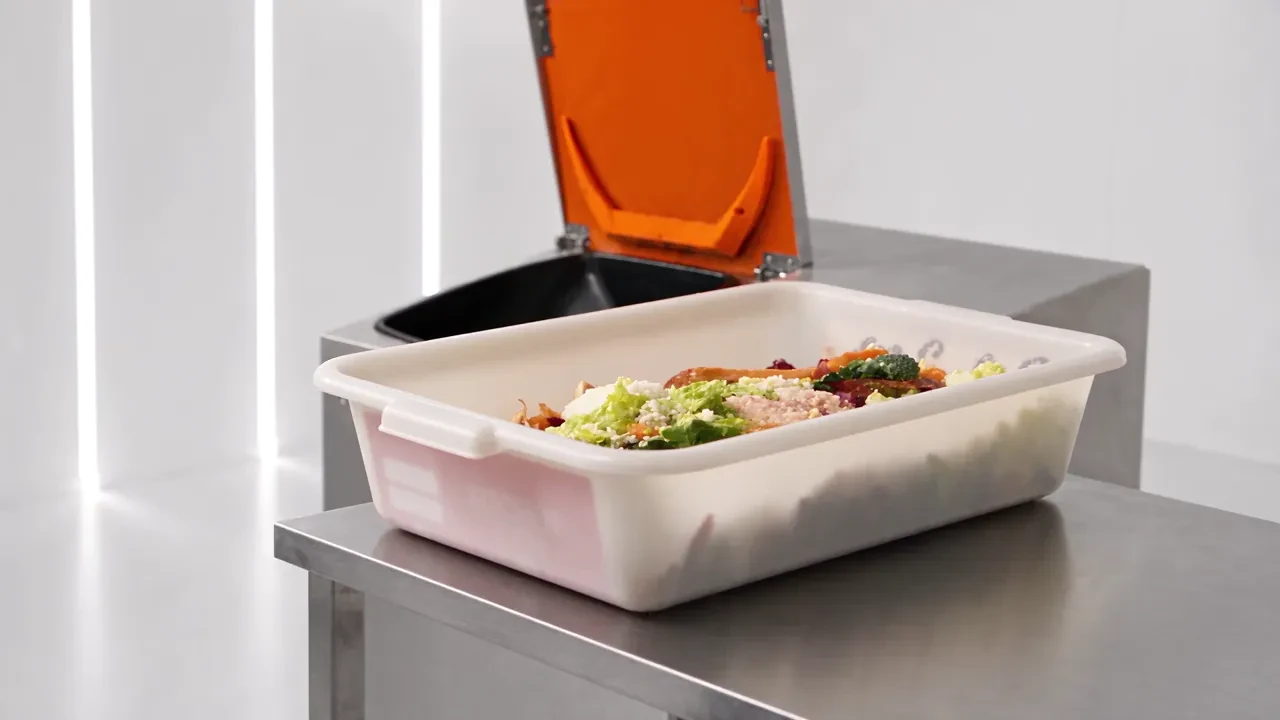
FOOD CYCLING STARTS IN YOUR KITCHEN
Collect it. Understand it. Give it a useful next life with BioGreen360’s connected Food Cycling Platform™.
BG3 / ONSITE FOOD CYCLING
Onsite processing turns food scraps into a reusable organic material.
ONE RESOURCE. SEVEN PRODUCT PATHWAYS.
Soil and plant growth are one possible next chapter. Recovered material can follow seven beneficial reuse pathways.
Explore the platformFarm To Table, Table To Farm
We can guarantee a reduction in the annual cost of your food waste program using any solution in this lineup. Each system is built to lower waste handling costs while supporting measurable circular sustainability outcomes.
See how we can reduce your food waste cost here: Food Waste Assessment
Transforming Food Waste into Measurable Performance, Operational Efficiency, and Data-Driven Decision Making
BioGreen360 gives operators one flexible platform to reduce waste costs, improve business workflows, verify environmental impacts, and create novel communication tools that resonate with consumers.
Reduce the total cost of food waste management by combining waste reduction, smarter handling, and optimized diversion.
See what, where, when, and why food is wasted - then turn the data into better purchasing, prep, production, and planning decisions.
Track diversion, carbon, and beneficial reuse with consistent reporting that supports ESG, guest communications, and stakeholder goals.
Verified results prove environmental commitments, support unique sales & marketing opportunities, and stand out from the competition.
That’s right, 100% of it. And since our technology is a circular solution, it also reduces CO2 emissions and diverts millions of tons from being added to our landfills.
Our closed loop system requires no clean water and expels no grey water. This translates to millions of gallons being saved and zero gallons being flushed into the waste water stream.
The best part of the whole process is what’s left. An inert material that is repurposed into premium organic fertilizer. This makes our solution 100% circular and beneficial to our planet & partners.
We can guarantee a reduction in the annual cost of your food waste program using any solution in this lineup. Each system is built to lower waste handling costs while supporting measurable circular sustainability outcomes.
See how we can reduce your food waste cost here: Food Waste Assessment
Fill out our free food waste assessment to see how we can lower your food waste cost.
Free Food Waste AssessmentCheck out our customers success stories from implementing our solutions into their system.
Learn MoreExplore the national service footprint for BioGreen systems, support, and circular food waste programs.
Explore the national service footprint for BioGreen systems, support, and circular food waste programs.
Explore the national service footprint for BioGreen systems, support, and circular food waste programs.
Explore the national service footprint for BioGreen systems, support, and circular food waste programs.
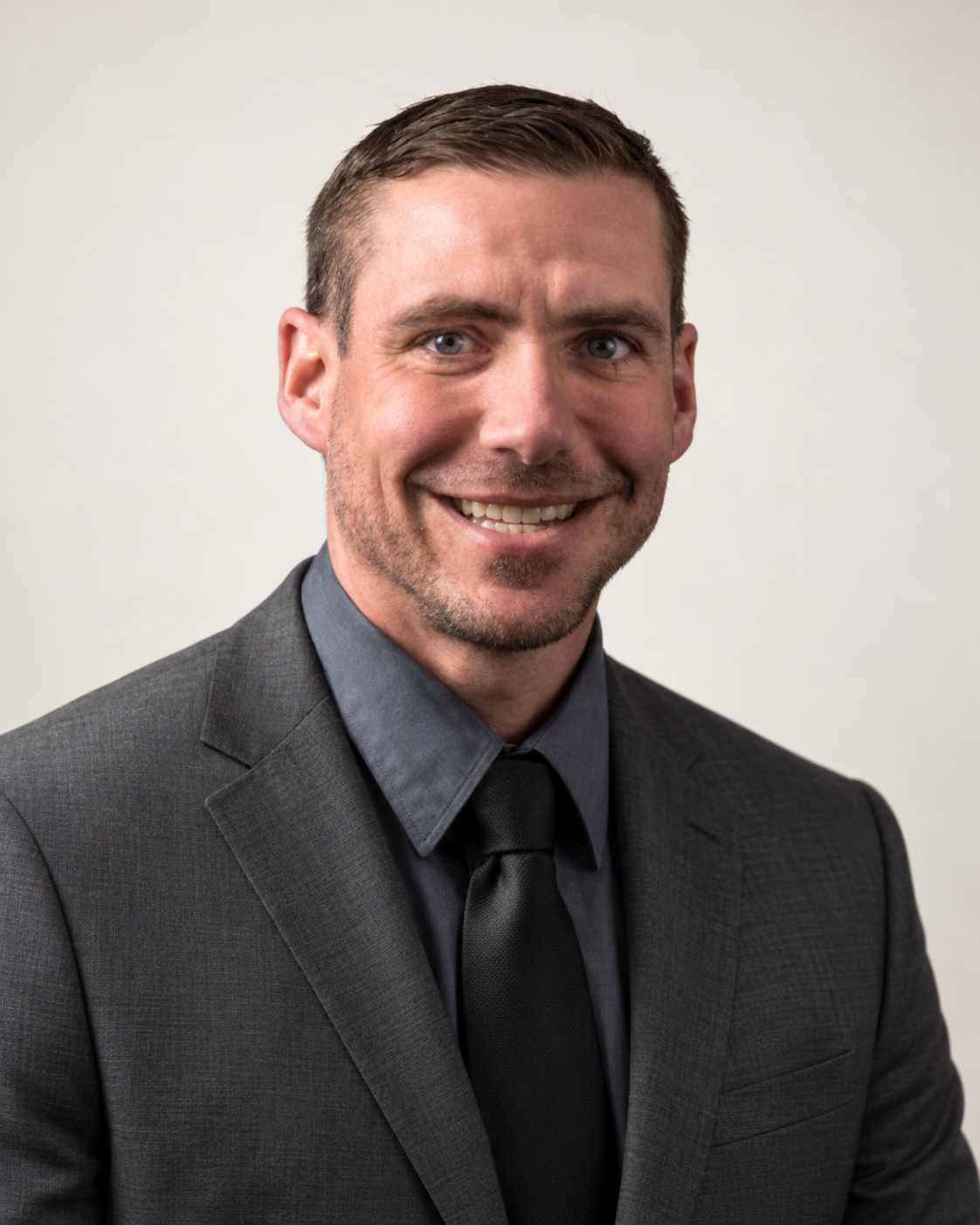
CEO, Chairman
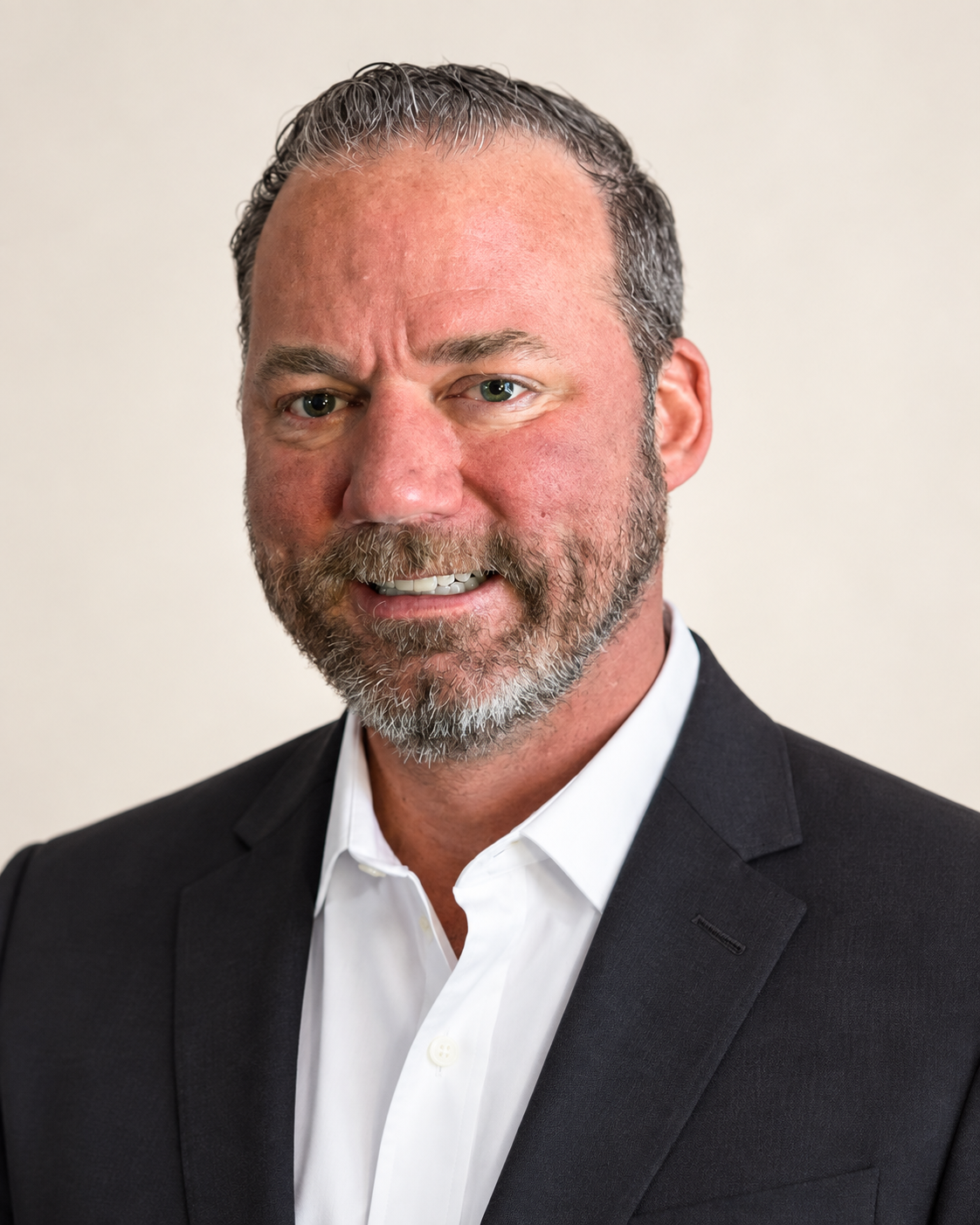
Chief Operating Officer
Chief Financial Officer
VP of Strategy and Strategic Partnerships
VP of Manufacturing and Supply Chain Management
VP of Sustainability and Regulatory
VP of Sales and Corporate Development
VP of Business Development and Client Success
VP of Finance
Director of Operations
Director of Marketing & Sales
Director of Engineering and Innovation
Regional Market Manager
Director of Sales and Client Success
Head of Service
Marketing & Business Development Specialist
Contact
Contact BioGreen360 about food waste solutions, partnerships, service, or general inquiries.
BioGreen360
Last updated: October 22, 2026
When you contact BioGreen360 through this website, you provide information such as your name, email address, company, phone number, and message. We use this information to respond to your inquiry, discuss our products and services, and provide requested support. Please do not include sensitive personal information in the contact form.
This website is hosted on Vercel. Contact form submissions are processed through FormSubmit and delivered to our sales team. These service providers may process information needed to operate their services, such as submitted form details, IP addresses, browser information, and technical logs. Information may also be disclosed when required by law or to protect the security of our services.
For information about these providers, see Vercel’s privacy notice and FormSubmit’s privacy information.
Our website includes links to third-party services, including scheduling tools, maps, and social media. Those services have their own privacy policies. External services used by the website may receive technical information when your browser connects to them. You can manage cookies and other site permissions through your browser settings.
We use Vercel Web Analytics to understand website traffic, including which pages visitors view and aggregate device, browser, and geographic information. Our analytics integration does not send contact form entries or URL query parameters. See Vercel’s analytics privacy information for details.
To ask about personal information you have provided, request a correction or deletion, or ask us to stop contacting you, email info@biogreen360.com. Applicable privacy rights depend on your location and circumstances. No method of internet transmission or storage is completely secure.
Website content is provided for general information. Product specifications, availability, service coverage, and offerings may change. Any purchase, service commitment, or cost-reduction guarantee is governed by the applicable written agreement with BioGreen360. Website content does not replace that agreement.
BioGreen360 branding, website content, and other materials belong to BioGreen360 or their respective owners. You may view and share links to this website for informational purposes. Contact us before reproducing or using our materials commercially. Do not misuse this website, interfere with its operation, or attempt unauthorized access.
Links to external websites are provided for convenience. BioGreen360 does not control their content or availability. We work to keep this website useful and accurate, but cannot guarantee uninterrupted access or that all information will always be complete or current. Nothing in these terms limits rights that cannot be limited under applicable law.
Questions about this notice or website terms can be sent to info@biogreen360.com or directed to 603-570-6159.
BioGreen360
275 Portsmouth Ave, Suite 100
Stratham, NH 03885
We may update this page as our website or practices change. The date above identifies the latest revision.